The atomic bombings of Hiroshima (August 6, 1945) and Nagasaki (August 9, 1945) are known as one of the darkest events in human history. However, there are some crazy and lesser-known facts that will leave you speechless.
1. The Man Who Survived Both Bombings
A Japanese man named Tsutomu Yamaguchi was in Hiroshima for a business trip when the first bomb was dropped. He survived the explosion and returned to his hometown, Nagasaki… only to witness the second bombing just three days later. He survived both and lived until the age of 93.

2. The Target Was Not Originally Hiroshima or Nagasaki
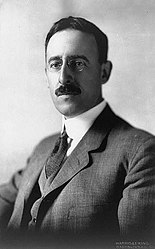
The original target for the atomic bomb was Kyoto, but the U.S. Secretary of War, Henry Stimson, had spent his honeymoon in Kyoto and insisted on removing it from the target list due to its cultural significance.
3. The Explosion Was Brighter Than the Sun
The Hiroshima bomb, “Little Boy,” released energy equivalent to 15,000 tons of TNT and reached temperatures hotter than the surface of the sun. People within 500 meters were vaporized instantly.
4. Black Rain Fell After the Bombing
After the explosion, a radioactive black rain fell on Hiroshima. People, unaware of the radiation, drank the water and suffered from severe radiation poisoning.
5. A Mysterious Shadow That Still Remains
The intense heat of the bomb was so powerful that it left permanent “shadows” of people and objects on walls and streets. These eerie shadows still exist today as reminders of the tragedy.


6. The Hiroshima Flame Is Still Burning
A flame that was ignited by the Hiroshima bombing has been kept burning since 1964 in the “Peace Flame” monument in Hiroshima’s Peace Memorial Park. It will only be extinguished when all nuclear weapons are eliminated from the world.

7. A Bonsai Tree That Survived the Blast
A bonsai tree that was 390 years old at the time of the bombing miraculously survived the explosion and is still alive today. It is now housed in a museum in Washington, D.C.

8. The Aftermath Affected Even Future Generations
The radiation exposure not only affected the survivors (known as Hibakusha) but also led to genetic mutations and health issues in their future generations.
 Chai & Matcha Diaries
Leave a comment