Curry is loved in both Japan and India, but if you’ve ever tried both, you’d know they’re completely different in taste, texture, and even the way they’re eaten! Let’s dive into what makes Japanese curry and Indian curry unique, their origins, and why they’ve become such a big part of each country’s cuisine.
1. Origin & History: How Curry Became Popular in India and Japan
India – The Birthplace of Curry
India is where curry truly began. The word “curry” comes from the Tamil word kari (கறி), meaning sauce. Indian curry has existed for thousands of years, evolving with different spices and ingredients across regions. When British traders and colonizers arrived in India, they adapted these spice-rich stews and took the concept back to Europe, where it spread worldwide.
Fun fact: The British loved Indian curry so much that they created curry powder in the 18th century to recreate Indian flavors back home!
Japan – The British Connection
Curry didn’t come to Japan from India directly. In the late 19th century, during the Meiji era, the British Navy introduced a simplified version of Indian-style curry to Japan. The Japanese adapted it to their taste—making it thicker, milder, and slightly sweet. Over time, Japanese curry became a national comfort food, commonly served in homes, restaurants, and even school lunches.
2. Ingredients: What Goes Into Indian and Japanese Curry?
Indian Curry – Spice-Heavy & Diverse
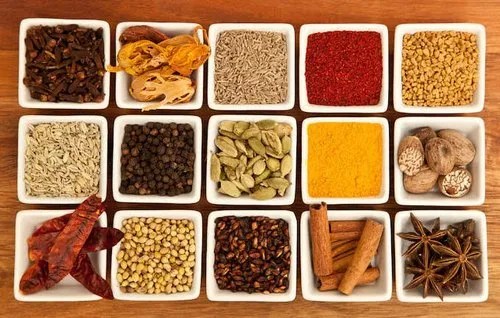
Indian curries are highly regional and vary widely in flavor. The base is usually made of onions, tomatoes, garlic, and ginger, along with a mix of spices like:
- Turmeric
- Cumin
- Coriander
- Cardamom
- Cloves
- Mustard seeds
- Cinnamon
- Chili peppers
Indian curry is not just one dish—it includes dal (lentil curry), butter chicken, paneer masala, rogan josh, and many more. It’s also common to add yogurt or coconut milk, depending on the region.
Dal (Lentils) – The Heart of Indian Food
Unlike Japanese curry, India has a variety of lentil-based curries called dal. From dal tadka (yellow lentils with garlic) to dal makhani (slow-cooked black lentils with cream), lentils are a major part of everyday Indian meals.
Japanese Curry – Thick, Mild & Sweet
Japanese curry is much simpler in terms of spices. Most Japanese curries use a pre-made curry roux, which includes:
- Flour (to thicken the sauce)
- Curry powder (milder than Indian spices)
- Sugar or honey (for sweetness)
- Soy sauce or Worcestershire sauce (for umami)
The most common vegetables in Japanese curry are potatoes, carrots, and onions, and the protein is usually beef, pork, or chicken. Unlike Indian curry, it doesn’t use as many fresh spices and relies on a rich, stew-like texture.
3. How They Are Eaten: Rice, Bread, or Noodles?
Indian Curry – With Rice, Naan, or Roti
Indian curry is usually paired with:
- Basmati rice – Long-grain and fragrant rice, great with curries.
- Naan – Soft, oven-baked flatbread, often served with butter chicken.
- Roti/Chapati – Whole wheat flatbread, a staple in Indian homes.
Unlike Japanese curry, which is always served with rice, Indian curry has many ways to be enjoyed, depending on the type of curry.
Japanese Curry – Always with Rice (or Udon!)
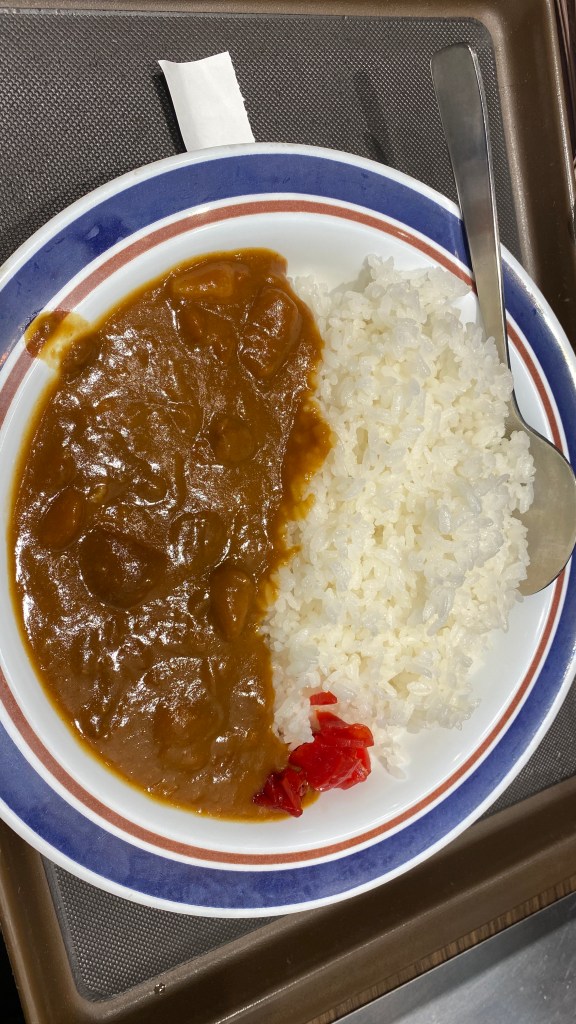
Japanese curry is almost always eaten with short-grain white rice (karē raisu). It’s thick, almost like a stew, and coats the rice well. Some variations include:
- Katsu curry – Curry rice topped with a crispy breaded pork cutlet.
- Curry udon – Thick wheat noodles served in a curry broth.
- Curry bread (karē pan) – Deep-fried bread stuffed with curry.
4. Unique Features: What Makes Each Special?
Indian Curry – Infinite Variety
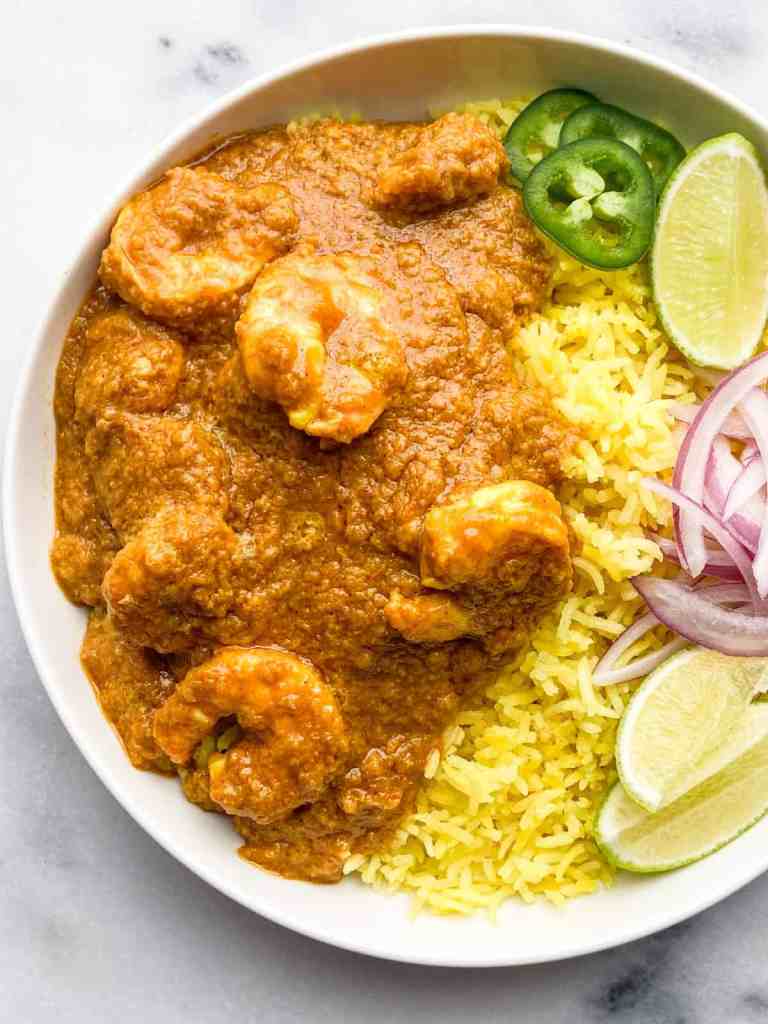
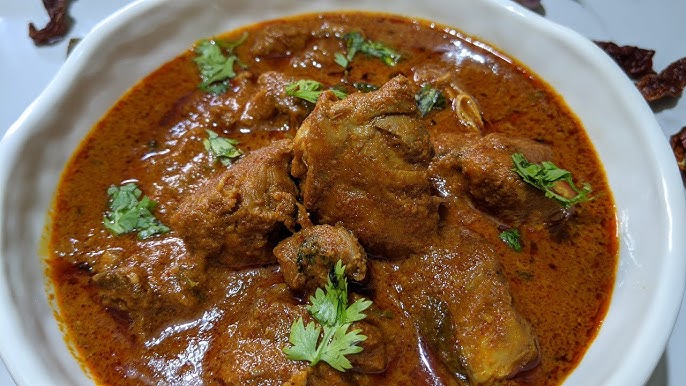
Indian curry changes from region to region. You can find:
- Spicy curries in the south (like Chettinad and Andhra-style curries).
- Creamy, rich curries in the north (like butter chicken and paneer makhani).
- Coconut-based curries in coastal areas (like Goan fish curry).
There’s no single “Indian curry”—the possibilities are endless!


Japanese Curry – A Comfort Food
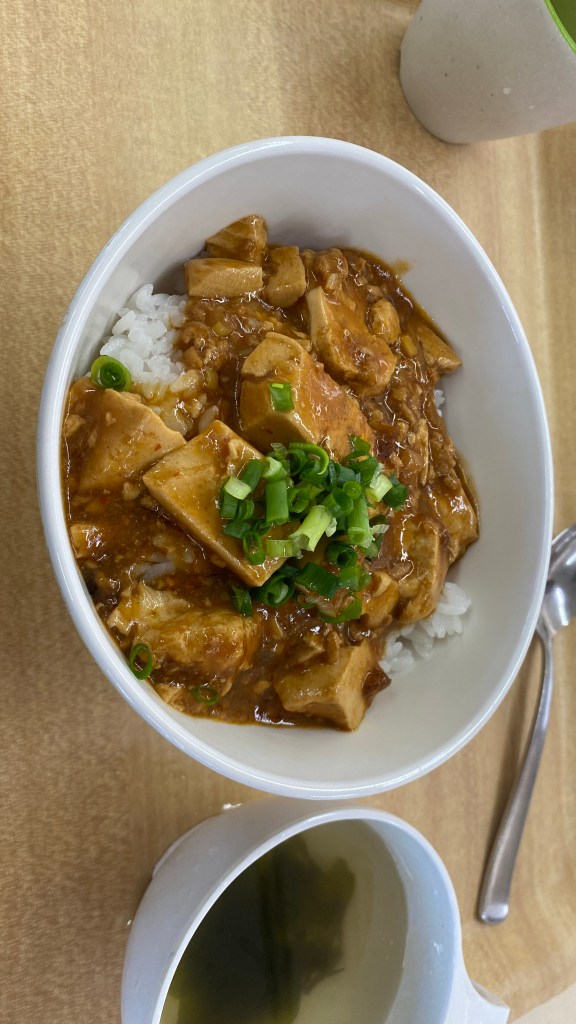
Japanese curry is less about variety and more about comfort. It’s thick, hearty, and always tastes the same no matter where you eat it. Many Japanese people associate curry with home-cooked meals or school lunches, making it nostalgic.


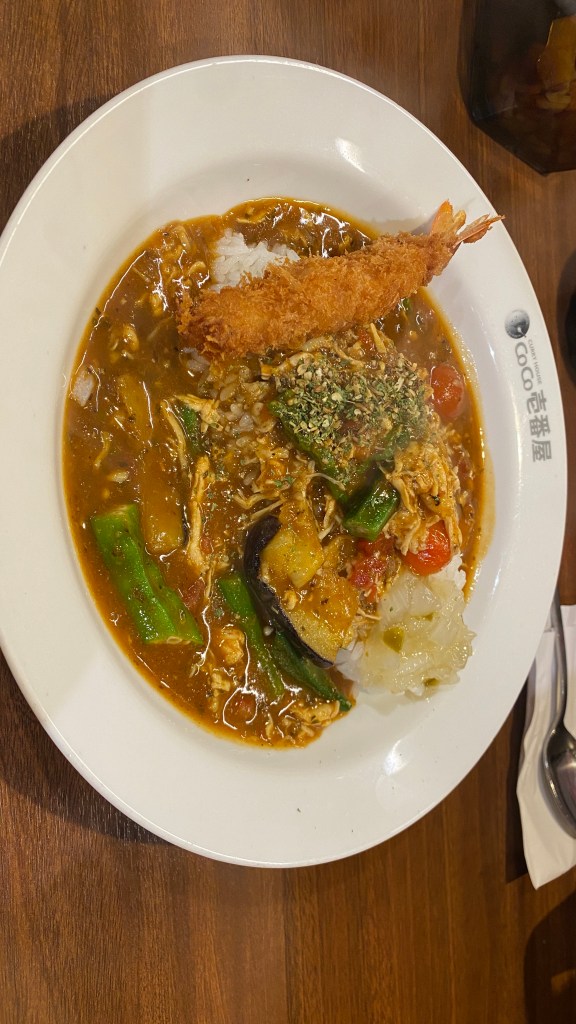
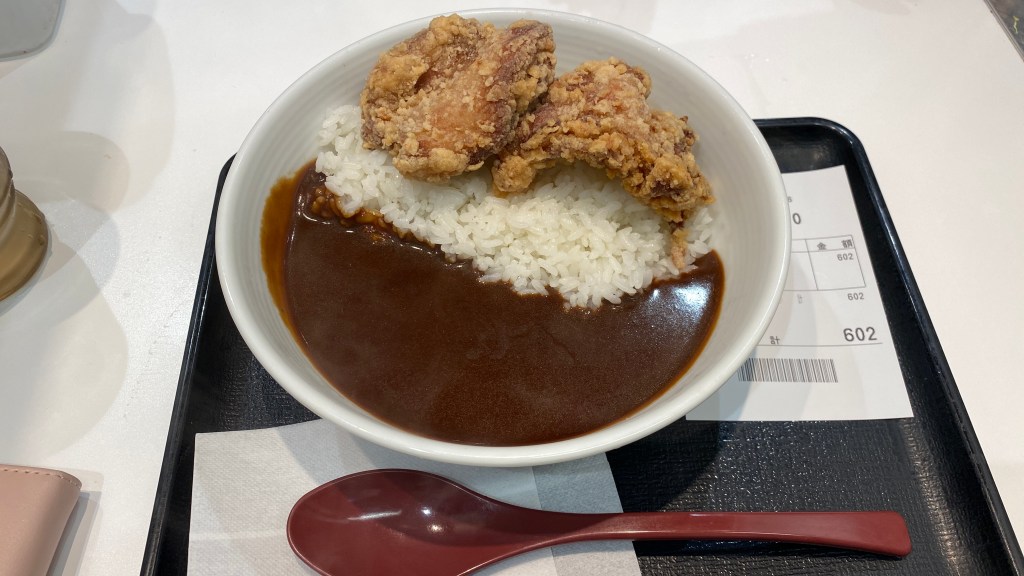

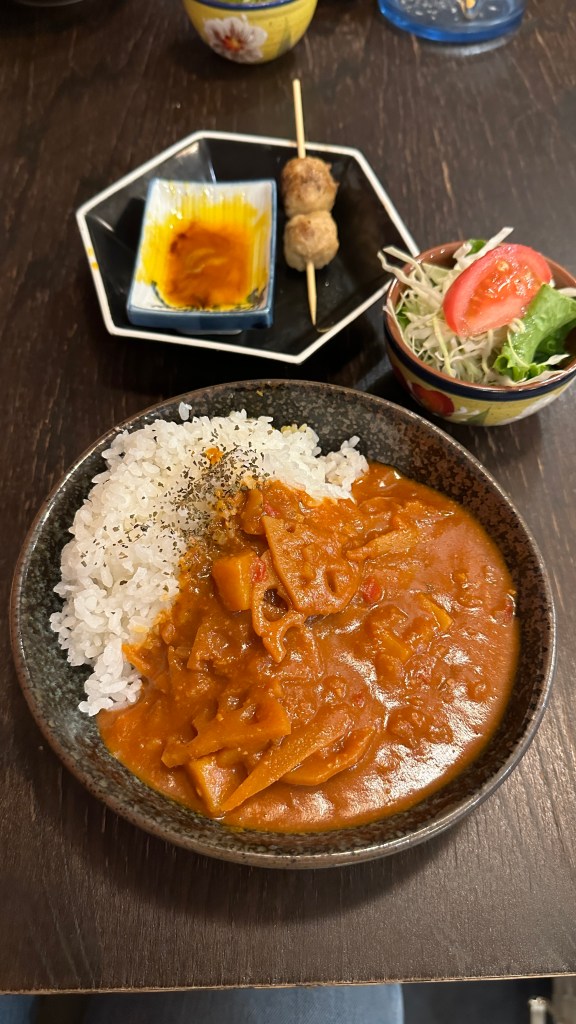
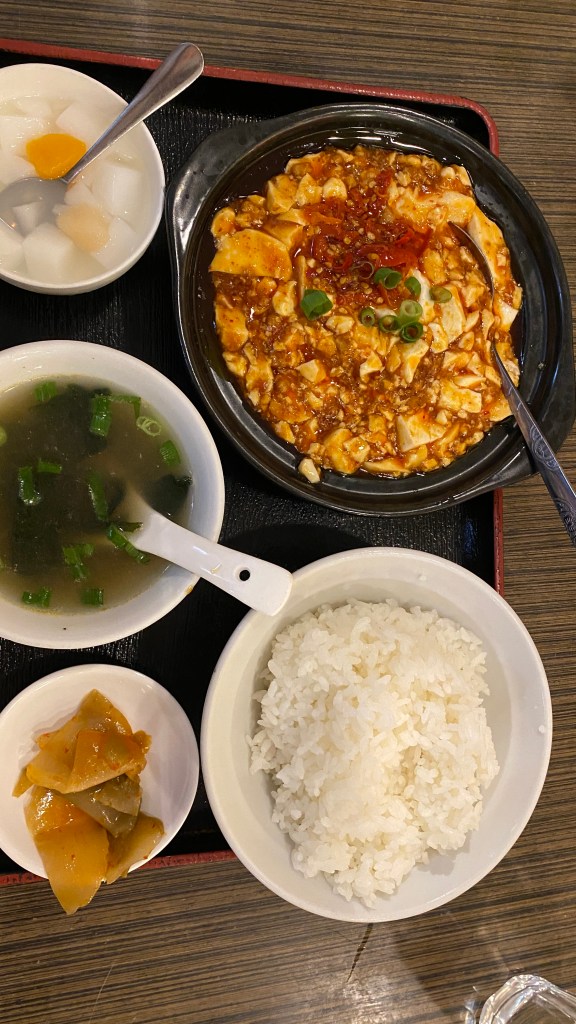
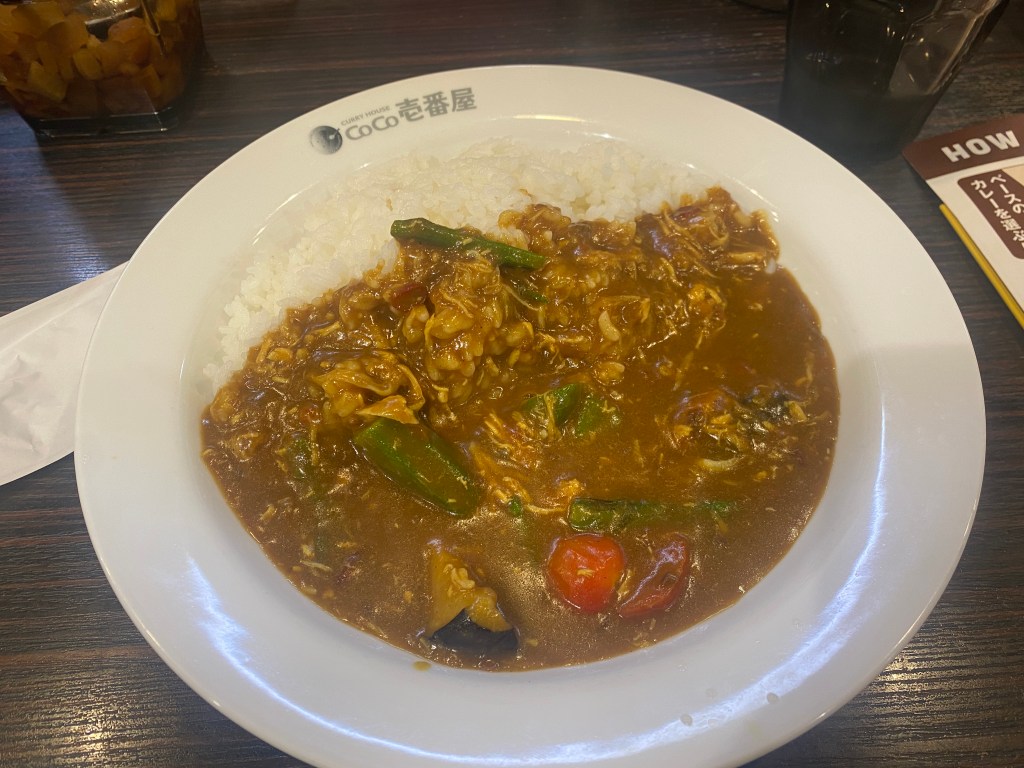
If you love bold spices, variety, and rich flavors, go for Indian curry!
If you prefer mild, thick, and slightly sweet curry, try Japanese curry!
Both are delicious in their own way, and trying them side by side is a great way to experience how the same dish can be completely different across cultures.
Have you tried both? Which one do you like more?
🌶️ Street Food Chronicles: A Delicious Journey Across Indian Streets
 Chai & Matcha Diaries
Leave a comment