Japanese communication emphasizes empathy and consideration for others’ perspectives, particularly when making or denying requests.
Throughout our studies of the language, we are taught to make polite requests using the structure ~てください. However, in the business world, the nuances of politeness take on a deeper significance.
Indirect Requests
In professional settings, you’ll often hear Japanese requests phrased as “していただけませんか” or “していただけないでしょうか,” rather than the more direct “してください.”
Well, ください” comes from “くださる,” and even though “ください” is considered polite, it is still an imperative or commanding form. When you say “してください,” the listener essentially has no option but to comply with the request.
To soften this and give the listener the sense of choice, Japanese speakers often use the more indirect form, “していただけませんか” or “していただけないでしょうか.” These phrases translate to “Would you kindly do this for me?” or “Could you possibly do this?” This polite form allows the listener to decline the request if necessary, without feeling pressured to say “yes.”
In written communication, especially business emails, it’s common to see very polite language. For example, instead of simply saying “送ってください” (Please send it), you might see “お手数ですが、送っていただけないでしょうか” (I’m sorry to trouble you, but could you possibly send it?).
Even though the result might be the same and the task will likely get done, using this softer form reflects the Japanese cultural emphasis on being considerate of the other person’s feelings and position.
Responding to Denials
When your request is denied, a simple “そうですか” (Is that so?) or “わかりました” (I understand) is often insufficient. Instead, Japanese communication favors polite expressions to diffuse tension. For example, you might say:
- “お忙しいところ申し訳ありませんでした。” Even if the request is denied, thanking them for their time and attention is a courteous way to end the conversation.
- ”分かりました。ご無理を言ってすみませんでした.” This acknowledges that your request might have been difficult and shows that you accept the situation
- If you’re close to the person, you might use 仕方ありませんね (It can’t be helped) to avoid sounding disappointed.
Disagreeing Politely
When expressing disagreement, the Japanese rarely use a direct “No.” Instead, phrases like:
- ちょっと難しいですね (That’s a bit difficult)
- それはどうかなと思います (I wonder about that)
These soften the rejection or disagreement without causing offense. In contrast, a direct “No, I disagree” would be considered too harsh and could disrupt the harmony of the conversation.
Denying Requests Politely
If you need to deny a request, starting with an apology is customary. For example, you could say:
- 申し訳ありませんが… (I’m sorry, but…)
This simple phrase is often enough for the other person to understand your refusal.
In formal situations, you might want to sound even more polite. Consider using phrases like:
- できればお手伝いしたいのですが… This approach communicates your willingness to assist while implying that you cannot at this moment.
- ご理解いただければ幸いです This phrase conveys your regret and requests the other person’s understanding of your situation.
- Sometimes you need to explain the reason as well like 予算の制約があるため、今回は見送らせていただきます- “Due to budget constraints, I will have to pass this time.” This provides a concrete reason for your decision.
- If you prefer not to decline directly, you can say: 状況が変わる可能性があるので、また後でお話ししましょう (Situations may change, so let’s discuss it again later).
This keeps the conversation open for future opportunities without making a commitment.
By picking up on these nuances, you’ll not only get the hang of the language but also dive into the essence of Japanese culture—valuing others’ feelings and keeping the peace. Embracing these communication styles can lead to more meaningful connections, whether in your personal life or at work!
From the blog
Stay up to date with the latest from our blog.
-

GOA!GOA!GOA!
The Trip That Stole My Heart (and My Sleep Schedule) 🌊 Hey party people, and beach bums! Buckle up because I’m about to spill the…
-
金曜日の帰り道に出会った、ある盲目の男性の話
毎週金曜日、私はオフィスに通っています。人と交流したり、ネットワーク作りには良い時間ですが、往復で4時間もかかるので、時々「家で働いた方がよっぽど生産的では?」と思うこともあります。 でも今日、その帰りの電車で、とても心に残る出来事がありました。 席に座ってしばらくすると、目の不自由な年配の男性が、私の前の席に座りました。彼はきちんとアイロンされたシャツとズボンを着ていて、長いバッグを持っていました。そのバッグの模様を指先でなぞり、触れて理解しようとしているようでした。 その光景を見た瞬間、胸がいっぱいになり、涙がこぼれそうになりました。「彼は何をしたから、こんな運命を背負うことになったんだろう?これは神様の罰なのか?」そんな思いが頭の中をよぎりました。 私たちは服の色やデザインを気にして、何時間も買い物に悩んだりします。でも彼は、自分が着ている服の色も、誰かに聞かなければ分からない。それでも「似合ってますよ」と言われれば、きっと笑顔になるのでしょう。自分の目で見ることができない分、判断も人に委ねるしかないのです。 それに比べて、私は何でも見えて、選べて、感じられる。それだけでとても恵まれているんだと思いました。 家に帰ってから、母にこの話をすると、私は感情が溢れて声が震えてしまいました。そして「彼は前世で何か悪いことをしたのかな」と聞くと、母は優しく言いました。「そんな風に考えないで。むしろ、彼は幸せかもしれないよ。世の中の見た目や誘惑に惑わされることなく、静かに生きられるから。」 確かに、彼はこの“色のある世界”を知らないから、過剰に悩んだりすることもないのかもしれません。それはある意味、自由なのかもしれない…そう思うと、少し心が落ち着きました。 彼が「目が欲しい」と強く願っていないことを、私は祈ります。そうでないなら、彼は今のままで満たされているのかもしれません。そして、私たちも「足りないもの」ではなく「持っているもの」に目を向けて、生きていけたらいいなと思います。
-
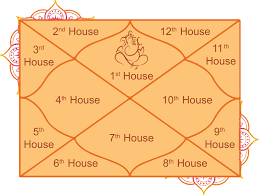
Indian Astrology
Just like Ayurveda, which is India’s ancient science of life and healing, there’s another profound and time-tested system that has guided millions of lives for…
-
🌸 Honoring Ancestors: India’s Shrāddh & Japan’s Obon Holidays
Did you know that India and Japan share a beautiful cultural tradition of remembering and honoring their ancestors?Though the customs differ, the intention is deeply…


Leave a Reply